
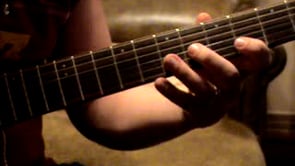


Our hands-on approach will have you mastering the guitar and developing your style faster than you can imagine
GuitarAlliance.com is a comprehensive training program in the best and most effective popular techniques, styles, fundamentals, and progressive topics for the guitar. Whether you’re interested in blues, rock, or pop, you will find the most useful information on the Web right here.
Now You Can Learn How To Play Guitar Like The Greats!
Whether you are just learning how to play the guitar, or you already have some basic skills, we can help you to improve dramatically.
Even if you already play at the intermediate or advanced level and want to refine your technique, we have a program for you. Our ground-breaking program covers all levels of experience and expertise!
No Music Reading Knowledge Necessary!
We get right to the good stuff. We teach you how to use the guitar like a pro without all that boring theory. You’ll start right out holding a guitar, not a pencil.
Guitar Alliance is perfect for:
- The self-taught guitarist: This type of guitarist can figure things out on their own, but needs the right information and tools.
- The guitar researcher: A student of the guitar and music who wants to explore its possibilities.
- The returning guitarist: Someone who hasn’t played in a while and needs a good place to get back up to speed.
- The pressed-for-time guitarist: You need to find what you want- when you need it.
- The novice guitarist: Start out learning the right way! Step-by-step.
- The lonely guitarist: No guitar-playing buddies? You’ll find plenty here.
- The isolated guitarist: For those who can’t find a private instructor nearby them.
- The guitar instructor: Yep, for the last 10 years hundreds of instructors worldwide have used the materials in Guitar Alliance for reference and student support.